What Size AC Unit Does My St. Charles Home Need? AC Installation Guide
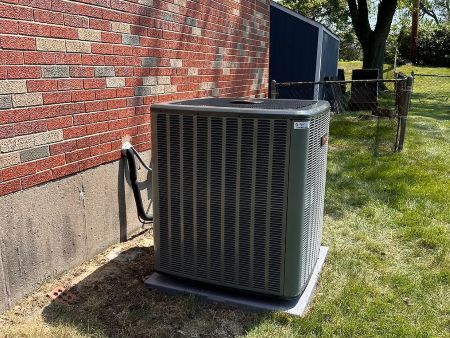
If you’re planning AC installation in St. Charles, MO, getting the size right is everything. A system that’s too big or too small can leave your home muggy, noisy, and inefficient. St. Charles summers bring long stretches of heat and humidity, so your air conditioner has to cool and control moisture at the same time. This guide explains how pros size central air conditioners the right way and what you should expect during an AC replacement estimate with Integrity Aire.
Why Right-Sized AC Installation Matters in St. Charles, MO
Right-sized equipment keeps you comfortable on 95-degree days along the Katy Trail and during sticky evenings after a Riverfront concert. An oversized unit blasts cold air fast, then shuts off before pulling humidity from the air. That “short cycling” wears parts, makes rooms clammy, and can lead to temperature swings between floors. An undersized unit runs longer and struggles during heat waves, which can raise energy use and leave upstairs bedrooms in areas like St. Charles Hills or New Town feeling warm.
When your system is properly matched to the home, you’ll notice steadier temperatures, quieter operation, and healthier humidity control. Your filter, coil, and ducts also stay cleaner because air moves at the speed your system was designed to handle.
How Pros Size a Central Air Conditioner
Professional sizing starts with a Manual J load calculation. This method estimates how much heat your home gains in summer by looking at square footage, insulation, window size and orientation, shade, air leakage, ceiling height, and more. It also considers the number of people and typical usage patterns. From there, a pro matches capacity and airflow, checks the duct system, and selects equipment that fits the load rather than guessing from a simple rule of thumb.
Key Factors That Change Your Load in St. Charles Homes
- Insulation and air sealing: Older homes near Historic Frenchtown may have leaky attics that add heat gain. Newer homes in Charlestowne often have tighter envelopes.
- Windows and sun: Large west-facing windows along Highway 94 soak up afternoon sun and can shift capacity needs.
- Duct design: Undersized returns or long runs to second-floor bedrooms can limit airflow and comfort.
- Additions and finished basements: New living space without duct upgrades can tip a system from “right” to “undersized.”
Tip: Ask for a written load report and an airflow check before choosing equipment. It’s the surest way to avoid future comfort problems.
Common Oversized AC Problems You Want To Avoid
Oversizing sounds safe, but it often causes more issues than it solves. The system cools the air quickly but doesn’t run long enough to remove moisture, so the house feels sticky. That can invite condensation on vents, musty smells, and uneven cooling between floors. Short cycling also creates frequent starts and stops that increase wear on compressors and blowers.
Another hidden downside is noise. Bigger isn’t quieter. If return air and supply ducts aren’t designed for higher airflow, you’ll hear whooshing and rattles. Over time, that strain can loosen duct connections and waste conditioned air in attics or crawlspaces.
When Replacement Time Changes the “Right” Size
If your old unit is due for replacement, don’t assume the new one should match the old tonnage. Homes change. New windows in a St. Peters ranch, attic insulation upgrades in Orchard Farm, or sealing leaky can lights can all lower your cooling load. On the other hand, a sunroom addition or opening walls during a kitchen remodel could increase it.
- You’ve tackled energy upgrades and still have rooms that overcool or feel clammy.
- You added living space or finished a basement without adding new ducts or returns.
- Your system runs for very short bursts and cycles on again within minutes.
- Humidity stays above a comfortable level even when the thermostat shows your set point.
Warning: If you notice frequent icing on the refrigerant lines or water around the air handler, call a pro. Those can be signs of airflow or sizing problems that need attention.
Matching AC Types and Features To Your Home
Once the load is known, your comfort advisor will match features to your goals. Your choice of compressor type and fan speed can help solve hot-and-cold spots, improve humidity control, and reduce noise.
Single-Stage vs. Two-Stage vs. Variable-Speed
Single-stage units run either 100 percent or off. They can work fine in smaller or well-insulated homes, but they tend to short cycle in mild weather. Two-stage adds a lower stage that runs longer at reduced output, which helps with humidity and noise. Variable-speed systems adjust output in small steps to match the load all day. They often deliver the most even temperatures, especially in two-story homes with bedrooms over garages or bonus rooms above the garage.
Heat Pump Pairing and Efficiency Considerations
Modern heat pumps can pair with a gas furnace in a dual-fuel setup, giving you efficient summer cooling and a choice of heat sources in winter. Efficiency ratings like SEER2 reflect how a system performs under updated test conditions. Higher-efficiency systems can cut energy use when properly sized and installed, but the right duct design and airflow are just as important as the number on the label.
Local insight: St. Charles humidity often spikes after late-afternoon storms. Longer, lower-speed cooling helps wring out moisture. If comfort feels “cool but clammy,” your system may be oversized or lacking dehumidification time.
Airflow and Ductwork: The Unsung Half of Sizing
Even the perfect tonnage won’t feel right if ducts choke airflow. A quick check during your AC replacement estimate should confirm supply and return sizes, static pressure, and room-to-room balance. Common fixes include adding a return in an upstairs hallway, resizing a bottlenecked trunk line, or sealing leaky joints. Don’t skip this step. Airflow is where many comfort complaints begin and end.
What To Expect During Your AC Replacement Estimate
A helpful estimate visits your home, gathers measurements, and asks how you actually use the space. If a contractor sizes by square footage alone, that’s a red flag. Expect a conversation about window exposure, insulation, duct condition, and humidity. You should receive at least one option that focuses on comfort and moisture control, not just peak cooling. If you want to dig deeper into the process, you can review options on our ac installation page while you compare notes from your visit.
At Integrity Aire, we can provide a detailed load calculation, talk through equipment choices like two-stage or variable-speed systems, and explain what duct updates may improve results. That way, you know the “why” behind the recommendation before you decide.
Real-World Scenarios Around St. Charles
Every home tells a different story. Here are a few examples of how sizing choices change with the details:
Historic bungalow near Frenchtown with original windows: Solar gain and air leakage raise the load. A right-sized system might pair with added returns and air sealing to reduce drafts and keep bedrooms cooler.
Two-story in St. Charles Hills with a hot upstairs: If ducts can’t move enough air to the second floor, a larger unit alone won’t fix it. Better balance and a system that runs longer at lower speed can smooth out temperatures.
New build in Charlestowne with tight envelope: Lower infiltration can mean a smaller system than you expect. The payoff is quieter operation and excellent humidity control when matched to longer, gentler run times.
How We Help You Avoid Oversized AC Problems
Comfort first. That’s the goal. Integrity Aire can verify the load, check ducts, and match the system to the way you live. We’ll also discuss humidity control and filtration so the system you pick handles St. Charles summers without the sticky feel. If you’re comparing bids, make sure each one lists the calculated load, the airflow assumptions, and any duct changes. Apples-to-apples comparisons protect your comfort and your budget.
To see how equipment options align with proper sizing, skim the explanations on our ac installation page as you consider features like two-stage cooling and variable-speed fans.
Simple Ways To Talk About Your Goals During The Estimate
You don’t need to speak in technical terms. Share how your home behaves and what you want to change. Clear goals help your comfort advisor tailor the solution. Try statements like:
- “The downstairs is fine, but the upstairs is always warmer after 3 p.m.”
- “We finished the basement and plan to use it most evenings.”
- “We’re okay with a higher set point if humidity stays comfortable.”
- “Quiet operation matters in the nursery.”
Homeowner tip: Ask for the expected run time on a 95-degree day. Longer, quieter cycles often mean better humidity control and comfort.
Your Next Step: A Clear, Local AC Replacement Estimate
When you’re ready, schedule a visit with Integrity Aire. We’ll listen, measure, and explain your options in plain language. If you want a quick overview first, you can learn more about ac installation in St. Charles, MO and what to expect from a comfort-first approach on our site.
Have questions or need to book a convenient time? Call us at 314-803-3664. A friendly coordinator will help you choose a slot and make sure your comfort priorities are noted for the visit.
Ready For A Precise, Comfort-First Install?
Right-sized cooling makes every room more livable, lowers noise, and helps control Missouri humidity. If your current system never feels quite right, or if you’re planning a remodel or addition, now is the perfect time to get sizing right. Reach out to Integrity Aire for a detailed, no-pressure assessment and a clear plan that fits your home. Start by reviewing what goes into professional sizing and installation on our site, then book your visit when it suits your schedule.
Let’s make this summer your most comfortable yet. Get started with a tailored plan that matches your home, your routine, and our local climate right here in St. Charles.

Don’t Sweat It!
Call Our St. Charles Heating and Cooling Experts Today!