Mini-Split Placement Guide: Where Wall Heads Work Best (and Where They Don’t)
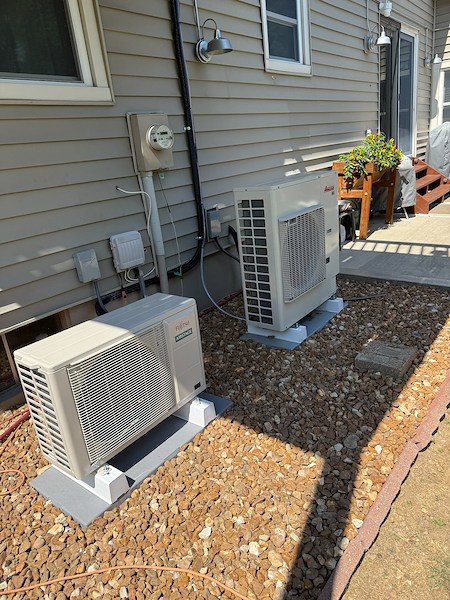
Getting mini-split placement right is the difference between “nice and cool” and “why is that corner still muggy?” In St. Charles, MO, summer heat and river humidity make positioning matter. This guide walks you through practical, field-tested choices so your rooms feel even and your system runs quiet. If you are planning a new system, you can start with expert mini-split installation from Integrity Aire and build around smart locations.
Mini-Split Placement In St. Charles: What Wall Heads Need To Work Well
Think of each wall head as a gentle fan that throws treated air across the space, then pulls it back along the edges. It needs a clean path to “breathe” and push air where you live, not where it gets trapped.
- Keep clear airflow paths so the head throws air across the longest part of the room, not into a bookcase, curtain, or tall cabinet.
- Center on an interior wall when possible to reduce sun load and cut wind-driven noise from exterior walls.
- Give lines and the drain a short, direct route to outside or a proper termination point.
Rooms Where Wall Heads Shine In St. Charles Homes
Bedrooms That Actually Sleep Cool
Wall heads excel in bedrooms when they face the bed from across the room and push air above it, not at it. Place the unit high on the opposite wall so the throw crosses the mattress and falls gently. That layout helps homes in New Town, St. Charles Hills, and older bungalows near Main Street where rooms are modest and doors close at night.
Open-Concept Living And Kitchen Areas
In open plans from St. Peters to Cottleville, a single wall head can do a lot if you let it throw the full length of the space. Mount on a central wall or the short side of the great room so air travels into the dining and kitchen zones. If the kitchen hood and range add heat, aim the stream across the seating area and let return air pull from the cooking side rather than blasting the cooktop.
Bonus Rooms Over The Garage
These spaces heat up fast on July afternoons. A wall head placed on the interior knee wall with throw toward the dormer or window wall helps even out hot glass and attic heat. Insulation often varies over garages in O’Fallon and Weldon Spring, so giving the head a clear shot across the longest dimension helps balance those swings.
Finished Basements And Flex Rooms
Basements feel cooler but can be damp. A wall head on an interior wall, aimed toward the stairs or the longest open run, keeps air moving and humidity in check. Tie placement to an easy, reliable drain route that won’t pool near the foundation.
Spots To Avoid Or Re‑Think
Direct Sun Or Above Heat Sources
Mounting on a west-facing exterior wall that bakes at 5 p.m. can fool sensors and make the unit work harder. The same goes for above ovens, radiant heaters, or equipment closets. Shift to a shaded wall or aim across the sunniest zone instead.
Tight Corners, Soffits, Or Above Doors
Short walls and door headers block throw and create “dead zones.” If you must use a short wall, raise the unit and center it so blades can aim across the room, not into the door casing.
Hallways That Don’t Lead Anywhere
Hallways move people, not much air. A head there tends to cycle without fixing comfort in the rooms that need it. Serve the actual rooms and let air drift into the hall.
Cluttered Walls
Big bookcases, tall wardrobes, and layered drapery stop airflow. If a wall is busy, choose the opposite side or clear the immediate area so the unit can breathe.
Height, Clearance, And Throw: Simple Rules That Pay Off
Mount height and clearances give you quiet comfort and even temps without cranking the fan.
- Mount high, typically a few inches below the ceiling, so supply air glides across the room and returns along the floor and walls.
- Keep 6 to 12 inches of side clearance so the discharge louver can swing freely and sensors read the room, not the ceiling corner.
- Aim throw across the longest dimension. In rectangular rooms, the long shot reduces hot and cold ends.
- Leave free space in front. A sofa back two feet away can bounce air right back into the unit.
Condensate Drain And Line-Set Planning
Cooling wrings water from the air. That condensate needs a smart exit. A gentle gravity drain is quiet and reliable when the head sits on an interior wall with a short drop to a proper termination. If the only path is up and over, a pump may be used, but noise and maintenance go up. Plan the route during layout, not after drywall. This is where good mini-split repair & installation work sets you up for long-term peace of mind.
Think about St. Charles weather too. Winter cold snaps can freeze lines in unconditioned chases. Keep drains and lines inside the thermal envelope when possible, and insulate any outdoors runs. Never let a drain discharge near the foundation where it can recycle moisture back into the basement.
How Many Wall Heads Do You Really Need?
Match heads to how you live, not just the square footage. A quiet, steady bedroom might get its own head, while an open main level can share one if airflow is clear and throw reaches the far seating area. Doors matter. If you close them at night, size and placement must serve those rooms directly. Homes near Lindenwood and Charlestowne often split the main floor and bedrooms so sleep stays consistent without blasting the living room after dinner.
In multi-story layouts, start where comfort hurts most. If the great room is stable but the room over the garage swings 10 degrees, anchor a head there first. You can always add zones later without tearing up ducts. That flexibility is a big win for remodels and additions.
Bedroom Comfort Without The Draft
Good sleep needs even air, low noise, and no face-level drafts. Aim the louver high so air sweeps above the bed, then falls gently. If the only wall faces the pillows, angle blades up and to the side. Do not point the stream straight at the headboard where it can dry eyes and overcool one sleeper while the other gets warm.
Blackout curtains and big wardrobes can trap air in corners. Leave a bit of breathing room so the return path back to the unit stays open. If the room doubles as a nursery or home office, use quiet modes at night and let the thermostat even out the last few degrees.
Open Concept Strategy: One Head Or Two?
Start by sketching the longest straight shot. If a single head can throw across the living area and draw air from the kitchen and dining, try that first. If the kitchen runs hotter, split the space with a second head or consider a small ducted unit for the pantry and office. When homeowners in St. Peters add a breakfast nook or sunroom, the glass can shift the balance. In those cases, a second head near the new opening wins back comfort.
Basement Nuance: Humidity And Return Path
Basements tend to feel cool but sticky. Pick a wall where supply air can sweep across the open area and past the stair opening so stale air cycles back. Pairing smart placement with humidity control helps, too. If you are curious about balancing moisture through the seasons, this article on the benefits of humidifiers is a helpful primer.
When A Wall Head Isn’t The Best Fit
Some rooms fight the rules. Compact half-stories with short kneewalls, heavy beams, or upper windows may not give you the throw or drain path you need. In those cases, a ceiling cassette, a floor-mounted unit, or a small ducted air handler can hide lines and clear obstacles. You still get zoning, quiet operation, and targeted comfort without forcing a wall head into a bad spot.
Seasonal And Local Factors Around St. Charles, MO
Our summers are humid, afternoons can be bright on west walls, and winter snaps can stress lines in exterior chases. In neighborhoods like New Town and along Elm Street, older framing and mixed insulation make airflow planning more important. Newer builds in O’Fallon and Cottleville are tighter, which helps a well-placed head carry farther at lower fan speeds. Either way, layout plus weather tells you where the unit belongs.
If allergies flare in spring, keep return paths open and filters on schedule. Cleaner flow helps the head read the room and steady the setpoint. You can also use gentle fan modes to keep air moving during shoulder seasons without overshooting the target temperature.
Putting It All Together: A Simple Placement Checklist
Use this quick lens before you commit to a wall:
- Does the unit throw across the longest part of the room without hitting tall furniture?
- Is the wall shaded or interior to reduce sensor errors and sun load?
- Can the drain route down or out cleanly without crossing cold spaces?
- Will doors, curtains, or beams block return air?
- If two rooms need cooling at once, does one head actually serve both, or do you need a second zone?
When these answers line up, you get quiet operation, even temps, and lower run time. If any answer is no, adjust the wall, the height, or the head count before you install.
Why Work With Integrity Aire For Ductless Planning
Placement is part science and part local know-how. Our team sizes and locates wall heads around how you use each room, line-set routes that stay dry and quiet, and controls you can live with every day. If you want a deeper design review or you are ready to schedule work, explore our mini-split repair & installation page to see how we handle layout, start-up, and follow-through.
Comparing comfort options for a larger remodel? It can help to look at ac installation as part of the whole-home plan. For an overview of services and to find contact info fast, visit mini-split placement in St. Charles, MO on our home base and connect with a real person.
Ready To Place Your Mini-Split The Right Way?
If your goal is quiet, even comfort without guesswork, we are here to help. Call 314-803-3664 to talk through your rooms, or book time online. The right layout today saves seasons of trial and error. When you are ready, schedule with Integrity Aire and we will fine-tune placement, drain routing, and start-up so your system feels right from day one.

Don’t Sweat It!
Call Our St. Charles Heating and Cooling Experts Today!