Duct Work Red Flags in St. Charles, MO: When It’s Time to Repair or Replace Your Ducts
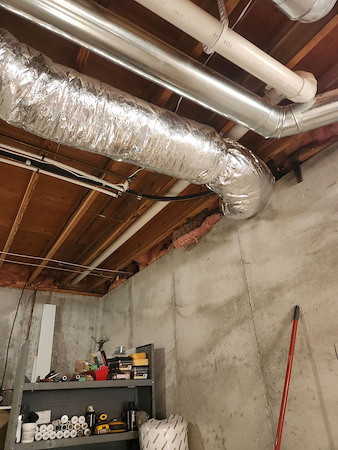
If your home has leaky ducts, hot and cold spots, or rooms that never feel right, you’re not alone. Many St. Charles homes develop ductwork issues as seasons swing from humid summers to chilly winters. This guide explains the biggest warning signs, why they happen here, and how a pro decides between repair and replacement. If you want a deeper look at solutions, explore our local duct work services.
Why Ductwork Problems Show Up in St. Charles Homes
Weather and home styles drive many duct problems. Summer humidity along the Missouri River can stress attic and crawlspace ducts. Winter cold exposes weak insulation and leaks. Older homes in areas like Historic Frenchtown or Lindenwood sometimes have long runs, pinched flex, or undersized returns. Even newer builds around New Town can suffer when renovations add finished basements without updating duct layout. Over time, seals dry out, joints loosen, and airflow suffers.
Clear Red Flags You Should Not Ignore
These symptoms point to trouble that a professional should evaluate soon:
- Hot and cold spots from room to room, especially upstairs or over garages
- Weak airflow at certain registers or a vent that barely moves air
- Rising energy bills compared to last season with no lifestyle change
- Excessive dust near vents or more frequent allergy flare-ups
- Whistling, rattling, or popping sounds from the duct system
- Musty or stale odors when the system starts up
- Visible kinks, crushed flex, disconnected joints, or torn insulation
Persistent hot and cold spots are not “just how the house is.” They’re usually a sign of leakage, design bottlenecks, or poor return air that can be corrected.
Repair or Replace: How Pros Decide
A thorough evaluation focuses on a few smart questions:
- Scope of damage: Are problems limited to a few joints or a single run, or are multiple trunks leaking or collapsed?
- Design and sizing: Do supply and return paths match the equipment and the square footage they serve?
- Materials and access: Is the duct type appropriate, supported, and accessible for long-term fixes?
- Airflow and pressure: Do measured static pressure and airflow match healthy ranges for your system?
- Comfort track record: Have rooms been uneven for years, or did issues start after a remodel?
Small leaks, a loose takeoff, or a short section of crushed flex typically point to repair. Widespread leakage, chronic design flaws, or major damage across multiple branches often push the decision toward replacement.
What a Professional Inspection Covers
A quality duct evaluation goes beyond a quick glance. Expect a licensed technician to:
- Visually inspect accessible trunks, boots, and takeoffs for gaps, kinks, or missing mastic
- Check supports and bends on flexible runs so they meet manufacturer guidelines
- Assess return air paths and filter location for proper airflow
- Measure system static pressure and temperature split to confirm performance
- Identify insulation gaps on attic or crawlspace ducts that waste heating and cooling
Do not ignore musty odors or signs of moisture near ducts. Trapped moisture can damage materials and circulate unpleasant smells through your home.
How Leaky Ducts Create Hot and Cold Spots
Think of your ducts like a highway for air. When joints leak or flex is pinched, the air “traffic” slows and detours into attics or walls. Rooms far from the air handler get starved while others overpower. You feel it as uneven temperatures, longer run times, and a system that never quite catches up. Longer run times rarely fix the problem and usually raise your utility bill.
In older St. Charles neighborhoods, returns are sometimes undersized. That starves the blower, raises static pressure, and lowers airflow to every room. Fixing the return path or sealing leaks often eliminates those stubborn hot and cold spots.
Improving Airflow Without Guesswork
Once testing shows what’s wrong, a pro can recommend targeted fixes. Common solutions include resealing joints with mastic, smoothing transitions, re-supporting flex with gentle radiuses, and correcting mismatched boots or takeoffs. In some homes, adding or resizing a return brings the entire system back into balance. If a remodel changed how your family uses rooms, strategic adjustments can direct more comfort where you spend the most time.
Want to read more comfort tips built for our climate? Check out our latest hvac articles for practical ideas from local techs.
When Ductwork Repair Makes Sense
Repair is the smart choice when:
- Leaks are isolated to a few accessible joints or boots
- Flex is in good shape and only needs proper support and layout
- The main trunks are sound, sized well, and free of major corrosion
- Comfort problems started after a small change like furniture placement or a minor room update
In these cases, sealing, re-supporting, and adjusting layout can restore healthy airflow. Many St. Charles homeowners see steadier temperatures in rooms over garages or on second floors after focused ductwork repair.
When Replacement Is the Right Move
Replacement becomes the better call when ducts are badly damaged, design flaws are baked into the layout, or insulation has deteriorated along long attic or crawlspace runs. If your home has had multiple additions over the years, duct branches may be stitched together in ways that limit airflow. Rebuilding a section or a full trunk can open the system and cut run times. If you’ve battled the same hot and cold spots through multiple seasons, a fresh layout often solves what patches could not.
Answers to Common Concerns From St. Charles Homeowners
Will fixing leaks really improve comfort? Yes. Sealing reduces wasted air and helps the blower deliver the right amount to each room. Worried about disruptions? Much of the work is accessible from basements or attics, and a well-planned project minimizes time without heating or cooling. Not sure where to begin? Start with a professional assessment, then choose a repair or replacement path that targets your biggest comfort gaps first.
If you want a closer look at repair options and how they apply to your layout, review our duct work page for an overview of services and what to expect during a visit.
Simple Next Steps for Better Airflow
Here’s a practical way to move forward:
- Write down the rooms that feel too warm or too cool and when it happens
- Note any noises, odors, or vents with weak airflow
- Schedule a professional duct evaluation to test airflow and inspect accessible runs
- Prioritize fixes that improve return air and seal obvious leakage first
If you’re researching options, our homepage has a helpful overview of services. For a quick refresher on local solutions, start at ductwork repair in St. Charles and compare what aligns with your home and comfort goals.
Get Comfortable Again With a Local Team You Trust
Steady room-by-room temperatures and quieter operation are within reach. From sealing and layout adjustments to strategic section replacement, Integrity Aire will test, diagnose, and fix the root cause so your system runs the way it should. Call 314-803-3664 to schedule an evaluation today, or explore your options on our duct work services in St. Charles page.
Your comfort should be consistent, not hit or miss. If you’re dealing with leaky ducts, hot and cold spots, or poor airflow in St. Charles, we’re ready to help you choose a lasting fix and get every room back on track.

Don’t Sweat It!
Call Our St. Charles Heating and Cooling Experts Today!